Inventory & replenishment
How much to order and when: safety stock, perishables, spare parts, the bullwhip effect.
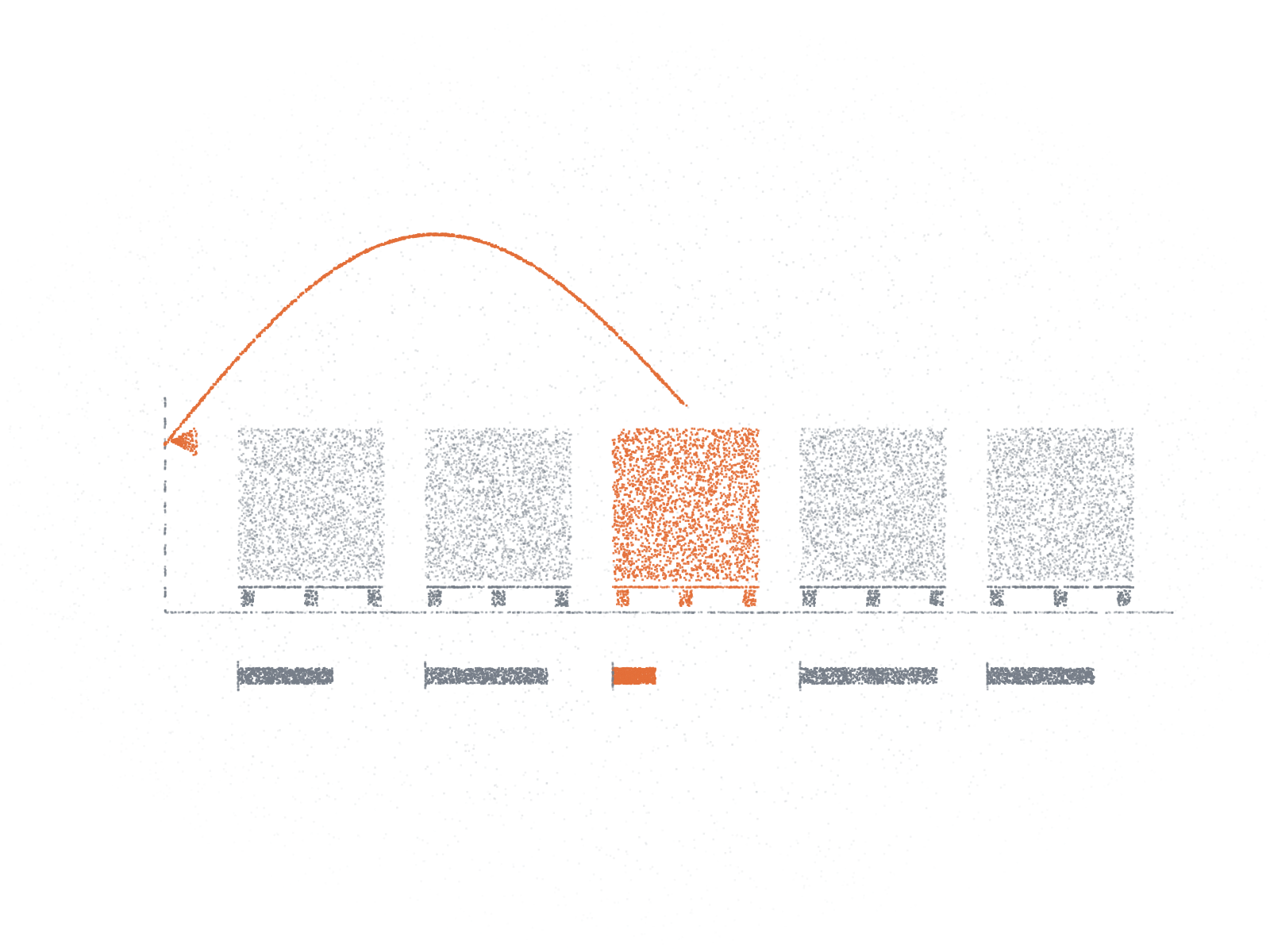
FEFO vs FIFO: the difference, an example and who requires it
FIFO ships the oldest arrival, FEFO the earliest expiry. A dated example where FIFO strands 16 of 48 pallets, who requires which (EU, WHO, US, India) and which racks allow FEFO.
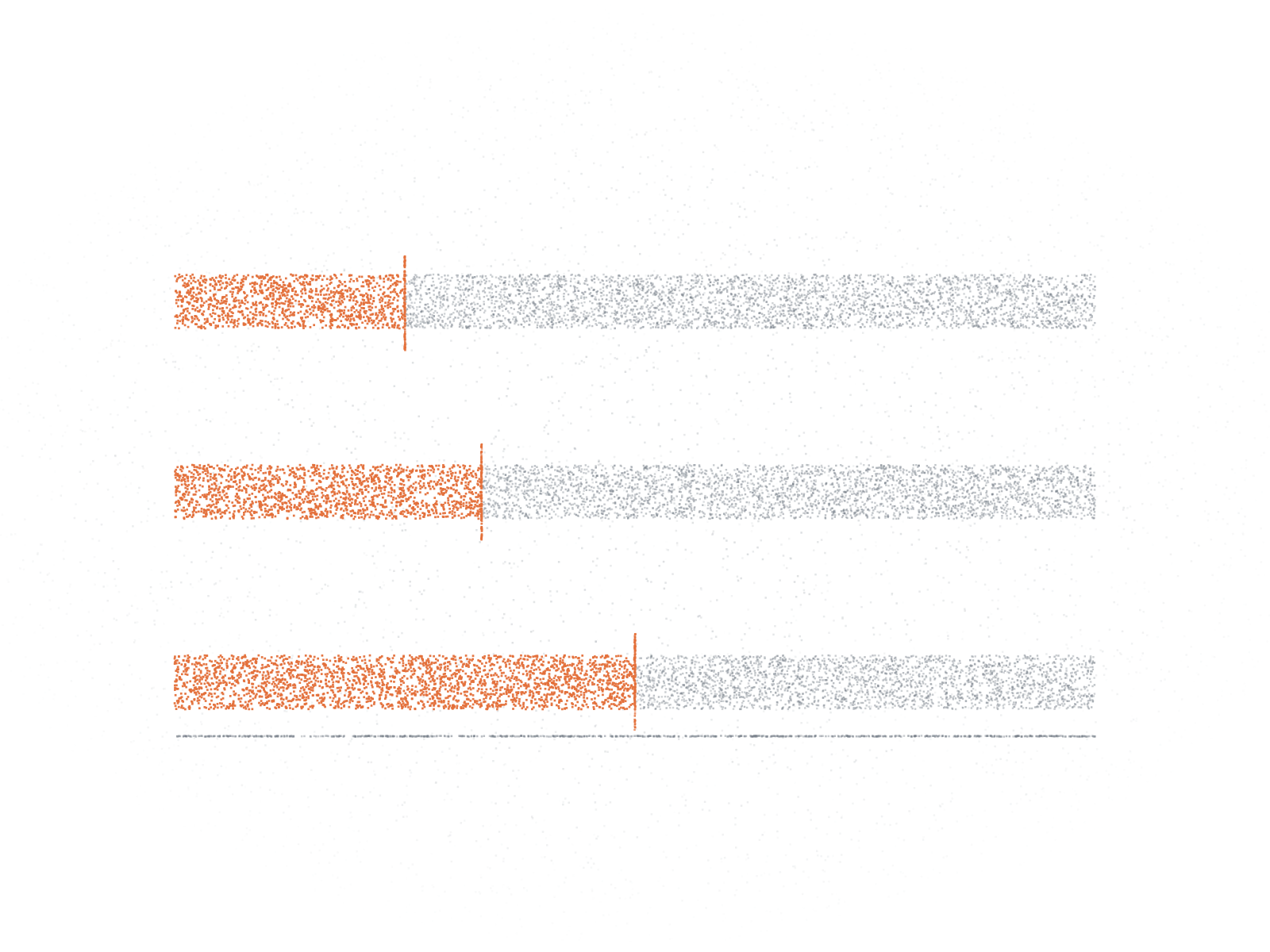
Minimum remaining shelf life: the 75% rule and how to calculate it
At 75% a 12-day product must arrive with 9 days left, within 3 days of being made. The calculation forwards and backwards, the latest date a lot can ship, and what Japan's ⅓ rule and WHO ask.
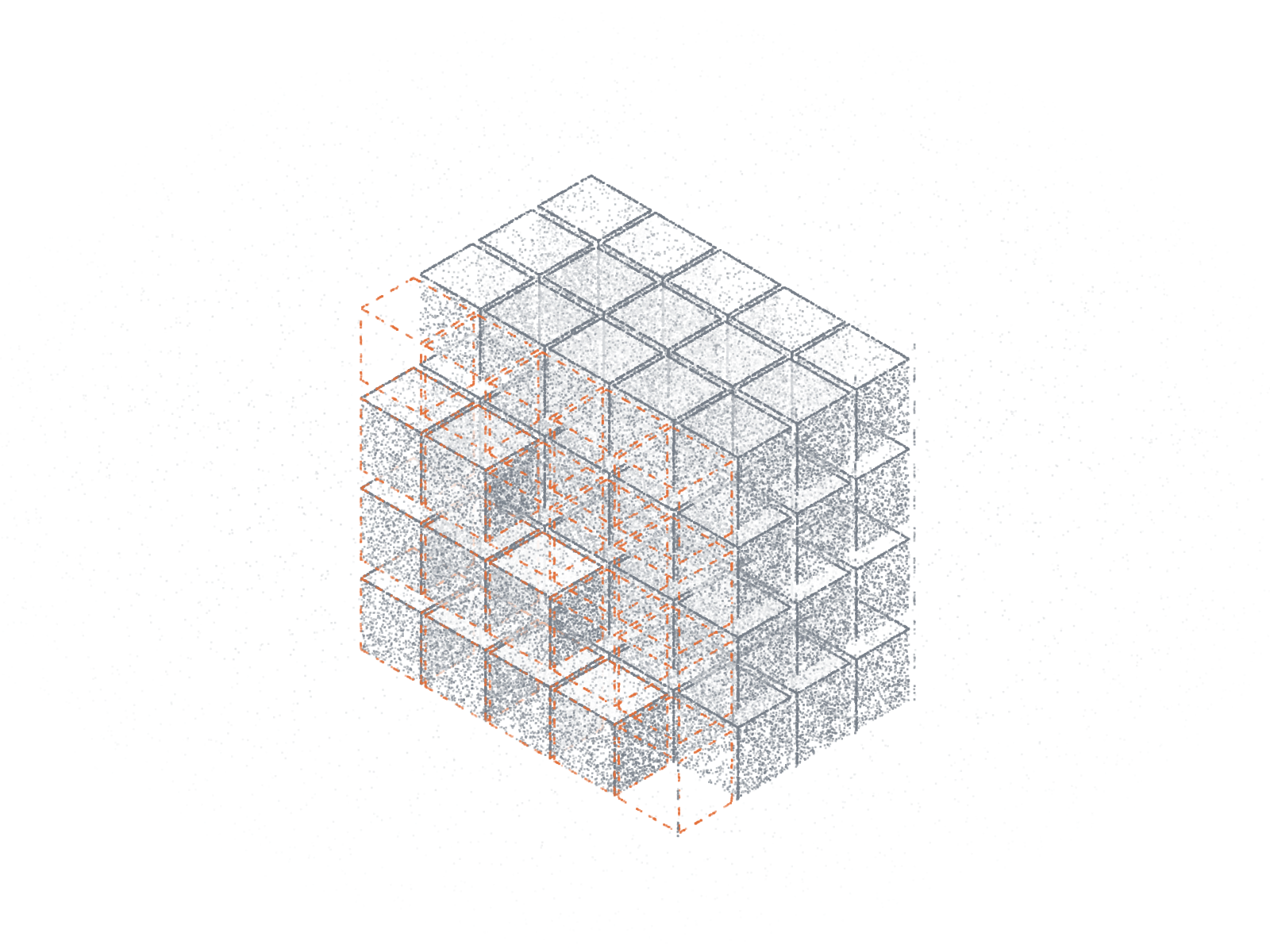
Drive-in vs push-back vs pallet shuttle: which deep-lane rack holds the most
At 50 pallets per product in a 12 m freezer: pallet shuttle 8,115 pallets, push-back 7,434, drive-in 6,180 at its best depth of 4. Why drive-in lanes stay short, and when mobile racking wins.
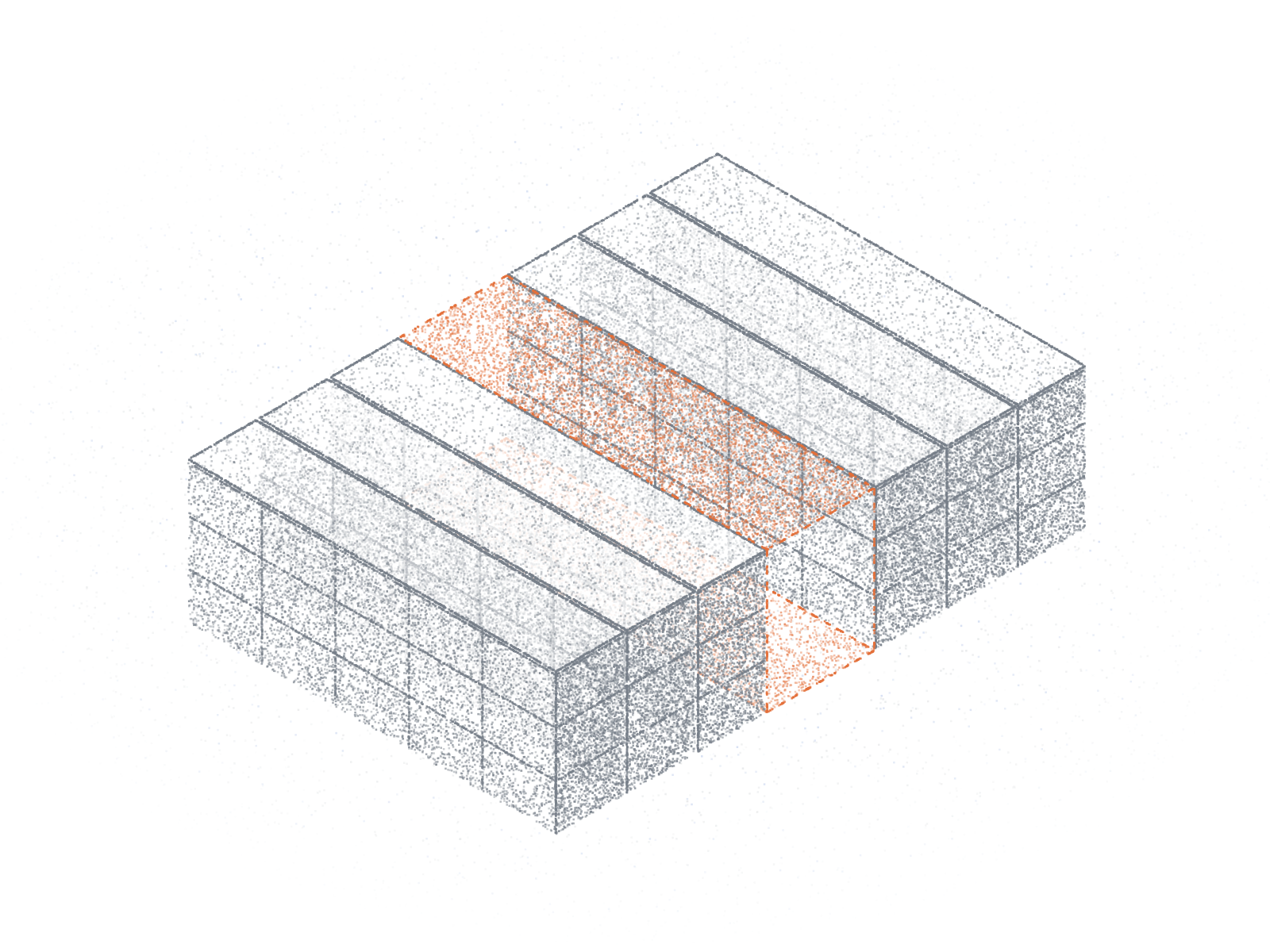
Cold storage racking: which rack type for a freezer or a chiller
In a freezer, mobile racking holds the most up to about 45 pallets per product; in a chiller up to about 60. How temperature, moves a day and stock pick the rack, with the numbers.
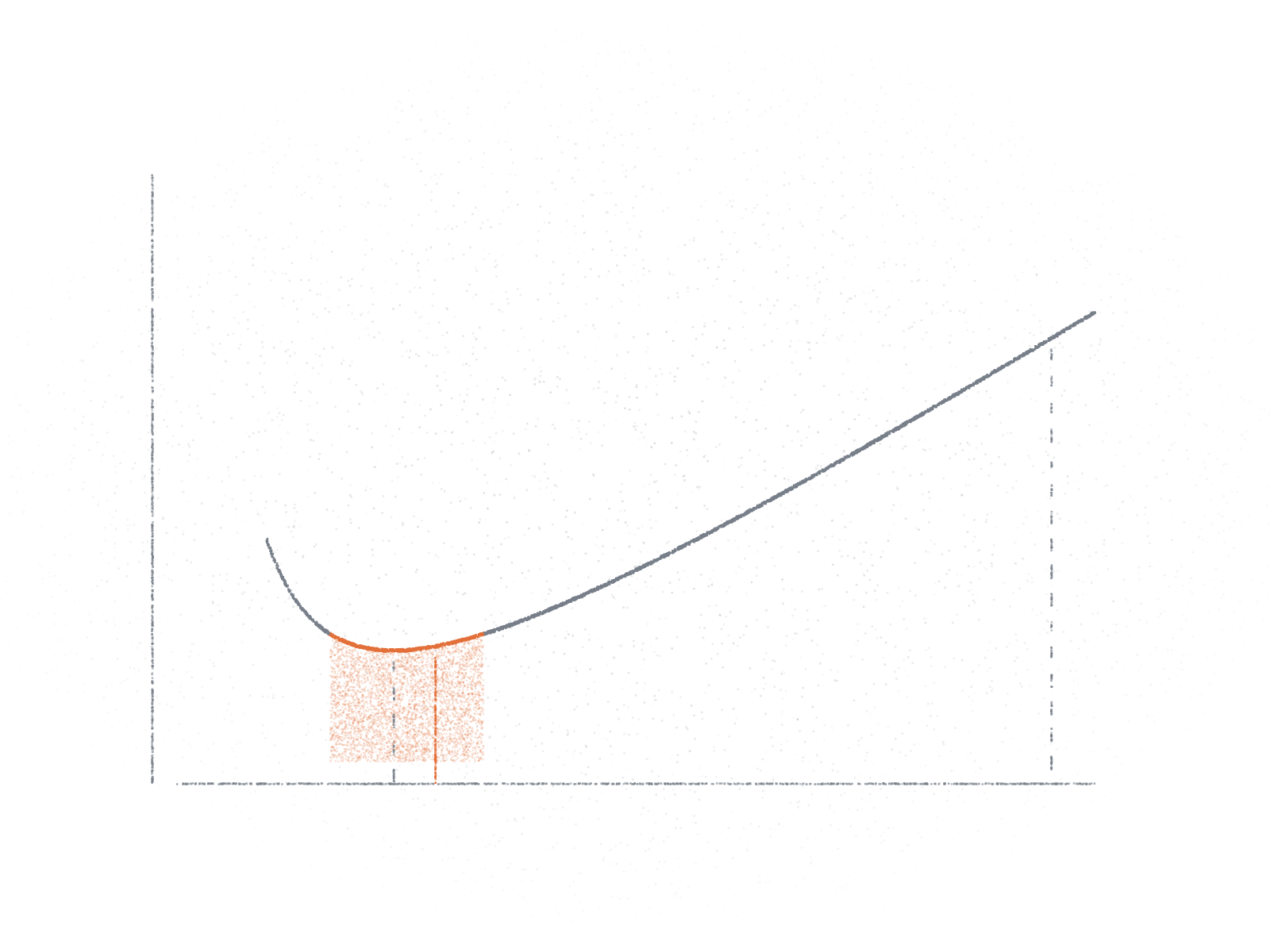
EOQ vs minimum order quantity: what the supplier's minimum costs you
EOQ 849 units, minimum order 1,000: ordering 1,008 adds €25 a year. A minimum at 4× the EOQ more than doubles ordering and holding cost. One price break can mean 2,400 or 1,008.
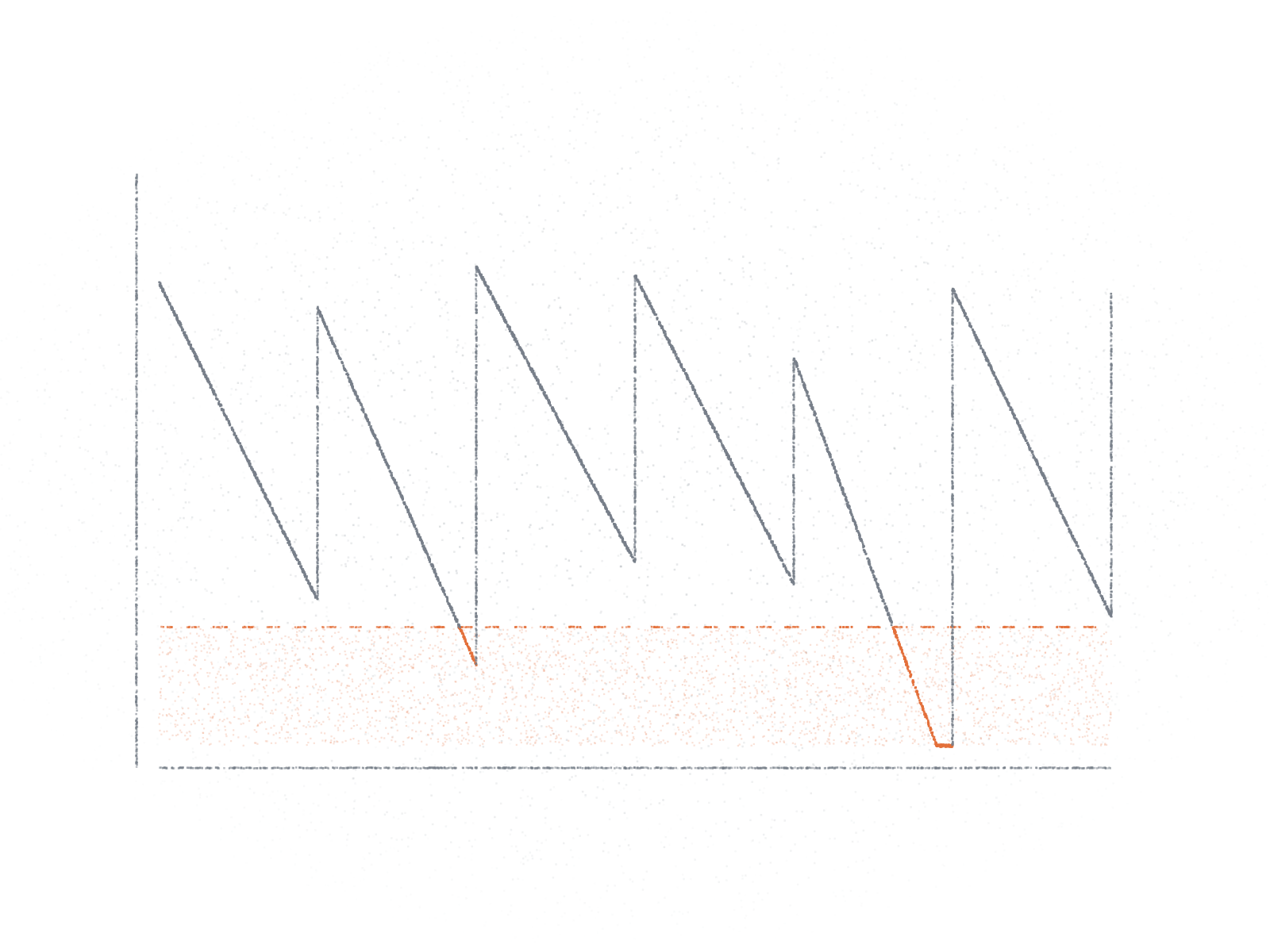
Safety stock: 95% of what? Cycle service level vs fill rate
95% of order cycles without a stockout needs 436 units of safety stock; a 98% fill rate needs 277. The same stock scores 95% on one measure and 99.5% on the other.

Storage density vs selectivity: why more pallet places can hold fewer pallets
Drive-in racking gives a freezer 38% more places and, at 7 pallets per product, holds under a third of the pallets. Where density pays, rack type by rack type, with the numbers.
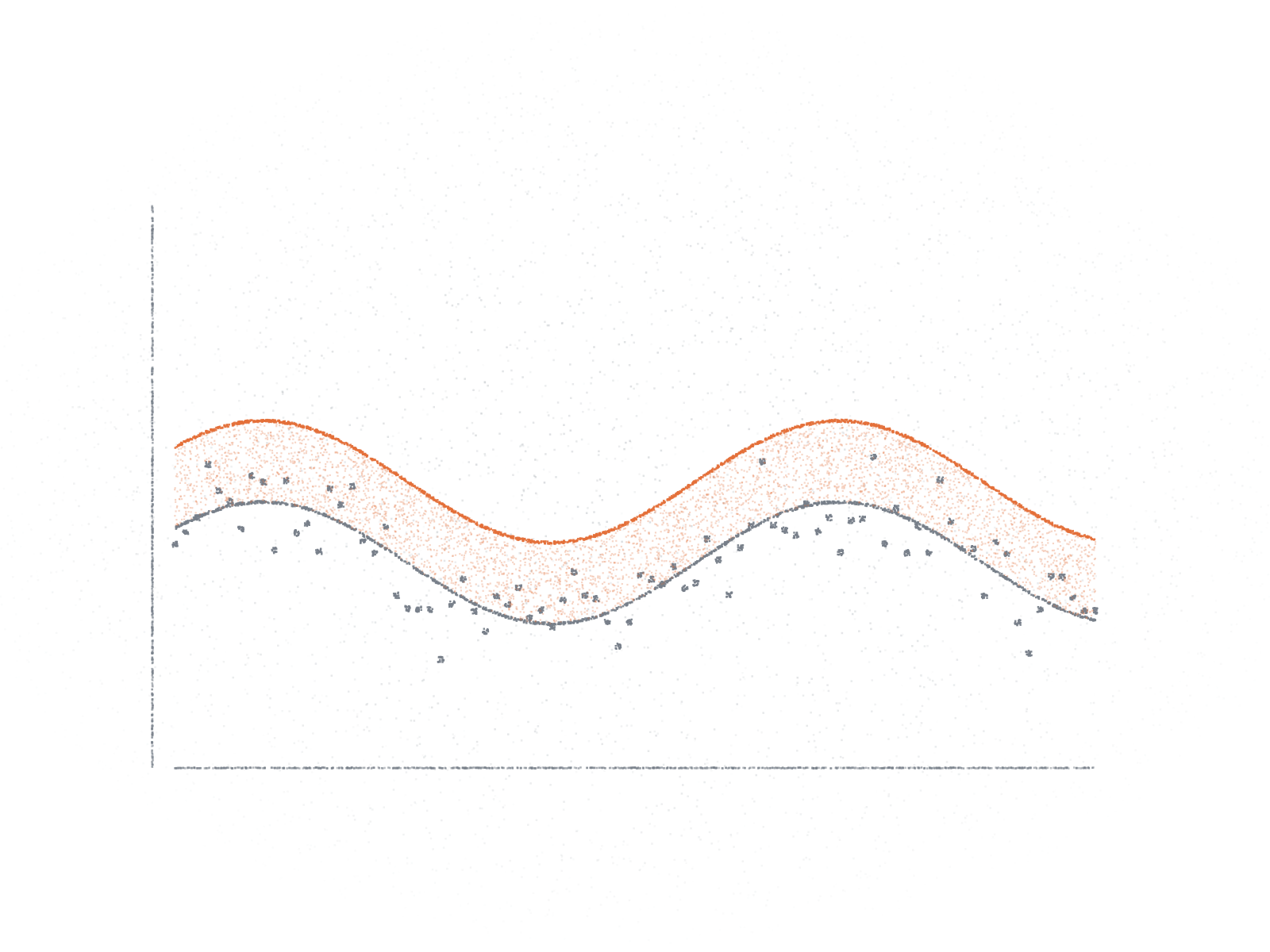
The most accurate forecast lost money
When running out costs more than leftovers, the forecast with the smallest error is not the most profitable one. A bakery example, with the numbers.
Terms
- Minimum order quantity (MOQ) A minimum order quantity (MOQ) is the smallest order a supplier accepts. Below the EOQ it changes nothing; near it, it costs little; at several times the EOQ it costs a lot.
- Reorder point The reorder point is the stock level at which you place the next order: the demand expected during the lead time plus safety stock. 690 + 436 = 1,126 units in the example.
- EOQ (economic order quantity) The EOQ is the order size with the lowest yearly ordering plus holding cost: √(2 × D × S ÷ H). For 12,000 units a year, €60 an order and €2 a unit a year to hold, it is 849.
- Fill rate Fill rate is the share of demand shipped straight from stock. It is not the cycle service level: in the example a buffer for 95% of cycles fills 99.5% of demand.
- Safety stock Safety stock is the stock kept on top of expected demand to cover demand above the forecast and late deliveries until the next order arrives. Formula and a worked example: 436 units.
- Lot number In EU food law and in US drug rules a lot and a batch are the same kind of thing, a quantity made under the same conditions; a lot can also be a defined part of a batch. What the number is for.
- FEFO FEFO ships the stock with the earliest expiry date first, whatever order it arrived in. EU medicines distribution requires it; food warehouses and cold stores use it for dated goods.
- FIFO In a warehouse, FIFO (first in, first out) ships the oldest stock first, by arrival. Not the accounting method. Which pallet racks enforce it, which allow it, and which cannot.
- Honeycombing Honeycombing is storage space lost to part-empty lanes or locations that no other product can use. A k-deep lane of one product wastes (k − 1)/2 places on average.
- LIFO In a warehouse, LIFO (last in, first out) means the newest pallet comes out first, as in drive-in and push-back lanes. When that is fine, and when it ages stock.
- Minimum remaining shelf life Minimum remaining shelf life is the share or number of days of life a product must still have when it is delivered. Some buyers ask for 75%: a 12-day product must arrive with 9 days left.
- Newsvendor problem The newsvendor problem picks how much of a perishable product to stock for one period of uncertain demand, when leftovers and missed sales both cost money.